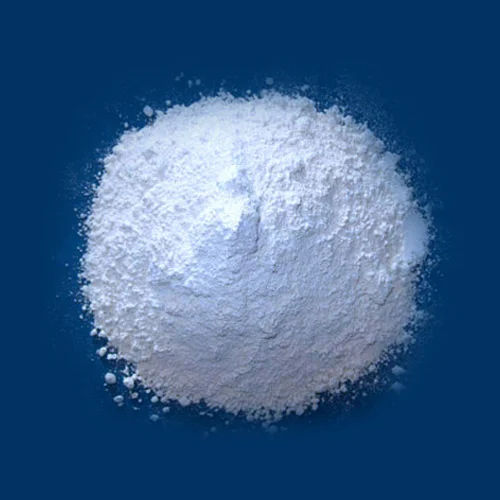
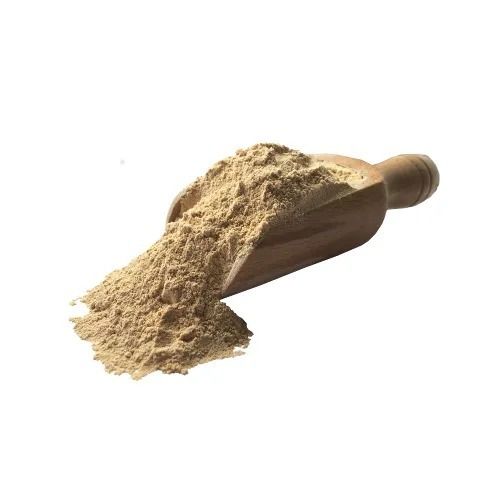
About Lactase Enzyme Powder
- Inability to properly digest the sugar lactose (lactose intolerance). Taking lactase by mouth before consuming milk or milk products helps digest lactose, a milk sugar. This prevents symptoms such as diarrhea, cramps, and gas in people with lactose intolerance.
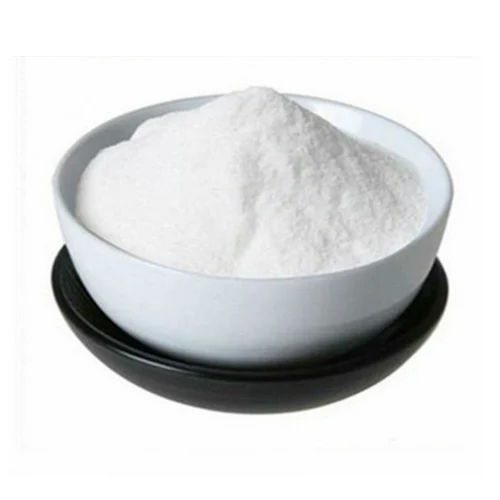
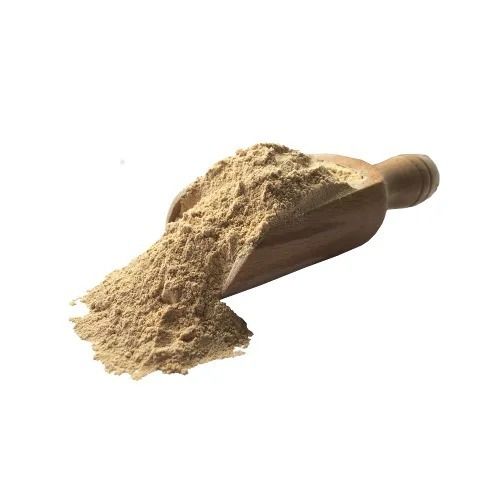
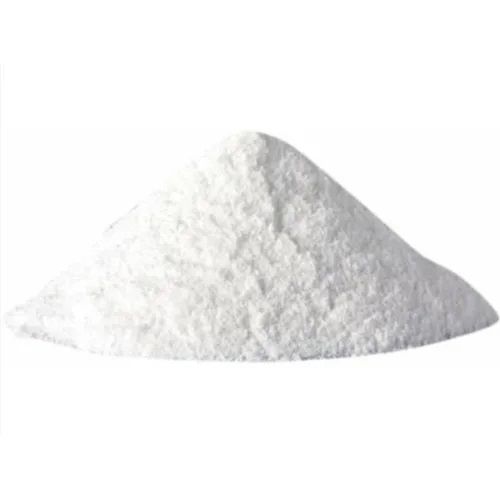
Versatile Lactose Hydrolysis SolutionLactase Enzyme Powder delivers reliable lactose hydrolysis in milk, dairy products, and food supplements. This enzyme's high activity and purity make it suitable for a broad range of industrial and health-focused applications, including producing lactose-free foods for those with lactose intolerance. Its effectiveness and stability facilitate large-scale manufacturing and consistency in product quality.
Quality and Compliance AssuranceProduced to strict food-grade and pharmaceutical standards, this enzyme powder is allergen-free and non-toxic. It complies with industry microbial limits, heavy metal content (0.001%), and contains no residual solvents. The powder is stable for 24 months when stored in a cool, dry place, ensuring its safety and functional reliability during use and storage.
FAQ's of Lactase Enzyme Powder:
Q: How is Lactase Enzyme Powder used in dairy processing?
A: Lactase Enzyme Powder is added to milk or dairy products to break down lactose into glucose and galactose, making the products suitable for lactose-intolerant individuals. It can be applied during milk pasteurization, yogurt production, or cheese making to achieve lactose-free or reduced-lactose products.
Q: What are the main benefits of using this enzyme powder in food manufacturing?
A: The primary benefit is the efficient conversion of lactose, improving digestibility for those with lactose intolerance. Additionally, it enhances product sweetness naturally and broadens the consumer base by enabling the creation of lactose-free foods and supplements.
Q: When should the powder be added during the processing of dairy products?
A: For optimal results, the enzyme should be introduced when the milk or dairy substrate is at a temperature and pH within the enzyme's optimal range (pH 4.5-5.5). This usually occurs after pasteurization and before fermentation or packaging, depending on the product being manufactured.
Q: Where can this Lactase Enzyme Powder be sourced?
A: This enzyme powder is available through authorized distributors, exporters, importers, manufacturers, service providers, suppliers, and traders in India, with customizable packaging options to suit various industrial requirements.
Q: What processes and conditions ensure maximum enzyme activity?
A: Maximum activity is achieved by dissolving the powder in water and processing within optimal pH (4.5-5.5) and temperature ranges. Proper mixing ensures uniform action, and adherence to recommended process steps maximizes lactose hydrolysis efficiency.
Q: Is Lactase Enzyme Powder safe and allergen-free for sensitive applications?
A: Yes, the product is chemically pure (>99%), free from allergens, heavy metals, and residual solvents. It meets food and pharmaceutical grade standards, making it safe for use in all food and dietary supplement applications.





 Send Inquiry


 Send Inquiry
 Send Inquiry
 Send SMS
 English
 Spanish
 French
 German
 Italian
 Chinese (Simplified)
 Japanese
 Korean
 Arabic
 Portuguese