About Alpha Amylase
Alpha Amylases have potential application in a wide number of industrial processes such as food, fermentation, textile, paper, detergent, and pharmaceutical industries. Fungal and bacterial amylases could be potentially useful in the pharmaceutical and fine-chemical industries.Versatile Industrial ApplicationsAlpha Amylase serves as an essential catalyst across diverse sectors such as food processing, textiles, detergents, and pharmaceuticals. Its high enzyme activity, water solubility, and thermal stability ensure reliable performance in processes like starch conversion, fabric desizing, and bio-cleaning. The enzyme's consistent results make it a trusted resource for manufacturers seeking efficiency and quality.
Safe and Reliable CompositionWith a purity of over 98% and stringent controls on moisture and heavy metals, Alpha Amylase is produced under allergen-free conditions. Its non-toxic nature and absence of unwanted contaminants ensure safety for both consumers and operators, making it suitable for industrial and food-grade requirements.
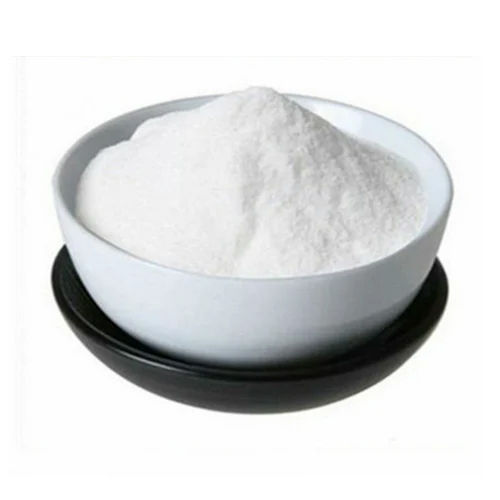
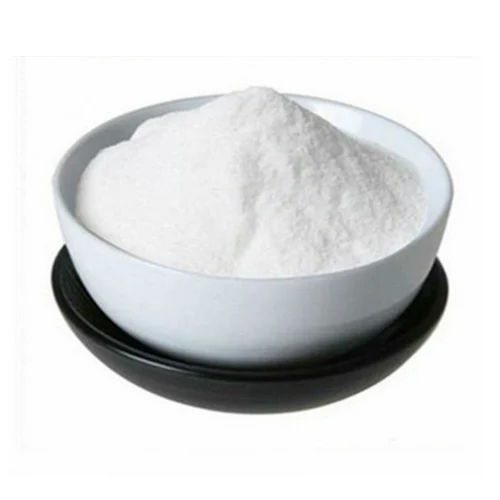
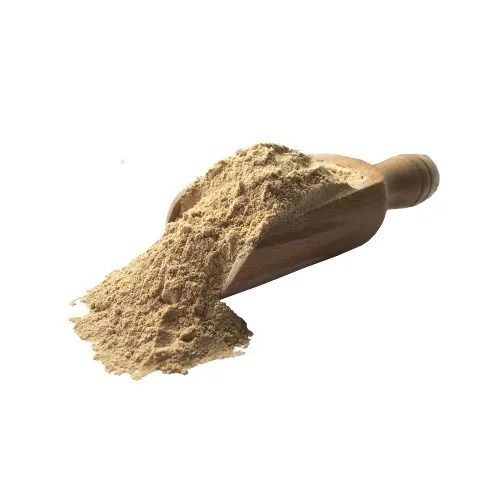
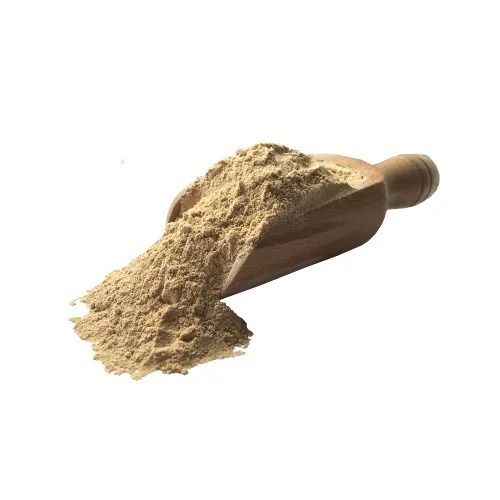
Easy Handling and Long Shelf LifeAlpha Amylase arrives as a fine powder (80-120 mesh), packaged securely in 25 kg HDPE drums or bags to preserve its stability. It remains effective for up to 24 months when stored in a cool, dry environment below 25C, protected from sunlight. This extended shelf life allows for cost-effective bulk purchasing and inventory management.
FAQ's of Alpha Amylase:
Q: How should Alpha Amylase be stored to maintain its effectiveness?
A: Alpha Amylase should be stored in a cool, dry place below 25C, away from direct sunlight and moisture. Following these recommendations ensures the enzyme retains its optimal activity and stability throughout its 24-month shelf life.
Q: What are the main uses of Alpha Amylase in different industries?
A: Alpha Amylase is widely used for starch conversion in food processing, desizing in textile manufacturing, enhancing cleaning efficacy in detergents, and various pharmaceutical formulations. Its versatility and efficacy make it a valuable ingredient across these sectors.
Q: When is the best temperature and pH range for utilizing Alpha Amylase?
A: The enzyme works best at a temperature range of 40C to 60C and exhibits optimal activity at around pH 6.0. For peak performance, it is advisable to apply it within a pH level of 5.5-7.0.
Q: What benefits does Alpha Amylase offer to manufacturers?
A: Manufacturers benefit from Alpha Amylase's high enzyme activity, purity, and solubility. Its non-toxic and allergen-free formulation enhances safety, while reliable performance and long shelf life support process efficiency and product quality.
Q: Where can Alpha Amylase be sourced and in what packaging?
A: Alpha Amylase is available through distributors, exporters, importers, manufacturers, service providers, suppliers, and traders throughout India. It is packaged in secure 25 kg HDPE drums or bags that protect the powder during transport and storage.
Q: How is Alpha Amylase typically applied or processed during industrial use?
A: Industrially, Alpha Amylase is dissolved in water and incorporated into manufacturing processes such as starch liquefaction or fabric desizing. Additives like stabilizers or fillers may be present to preserve enzyme activity and facilitate even application.
Q: Does Alpha Amylase contain any allergens or toxic substances?
A: No, Alpha Amylase is produced in allergen-free facilities and is certified as non-toxic and non-poisonous. It is rigorously tested to ensure heavy metals and other contaminants remain well below acceptable limits.







 Send Inquiry


 Send Inquiry
 Send Inquiry
 Send SMS
 English
 Spanish
 French
 German
 Italian
 Chinese (Simplified)
 Japanese
 Korean
 Arabic
 Portuguese